A seven-stage roadmap
What gets built, in what order, by whom, and what it costs, laid out in the order things actually have to happen. Nothing opens before the piece underneath it is ready.

The Bloom Program Build
The roadmap, the protocols, the staff training, and a team that has done this before, walking you through it one stage at a time. It’s the same program behind New Jersey’s first Center for Perinatal Mood and Anxiety Disorders, now built for yours.
A 30-minute call, no cost, no proposal. We’ll tell you which build fits you.
What makes the Bloom Program Build different
The first end-to-end, seven-stage implementation framework developed directly from designated, high-volume intensive outpatient PMAD center.
The nation’s only turnkey operational blueprint covering clinical escalation, reimbursement and payer mapping, and front-line triage in a unified build.
Every Bloom Program Partner gets the same complete build. You adapt it to your setting instead of starting from a blank page.
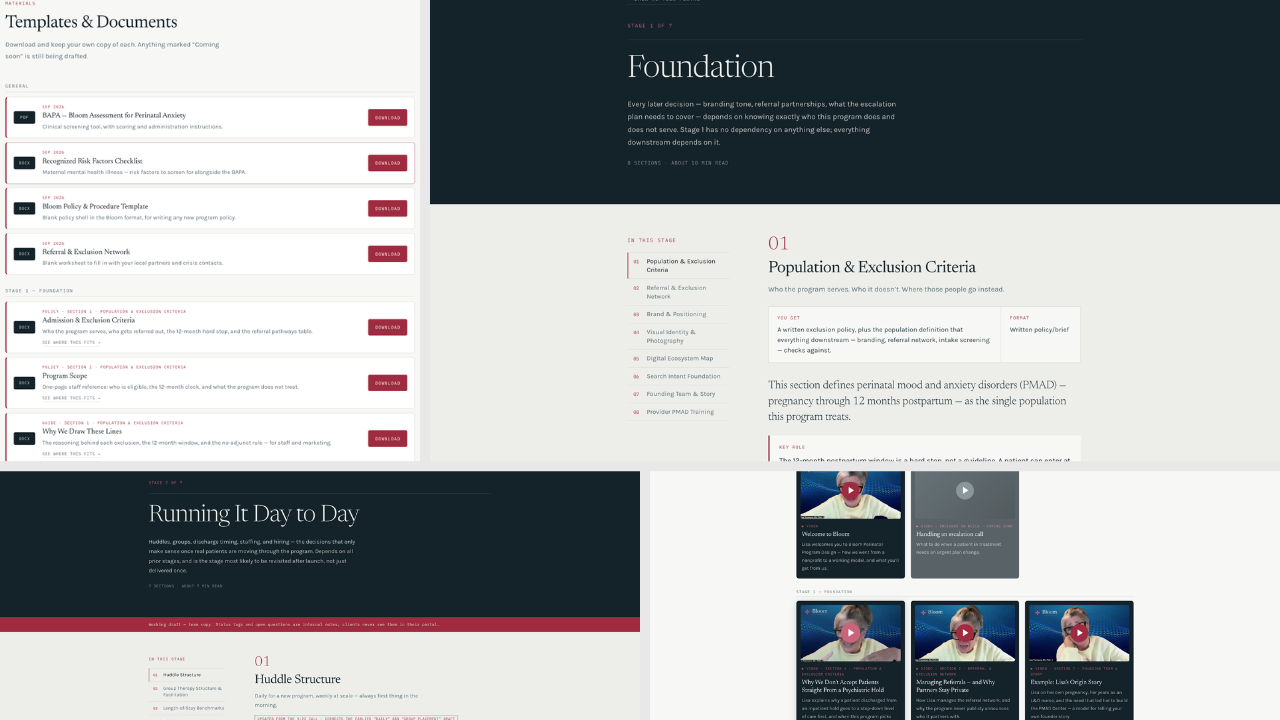
What gets built, in what order, by whom, and what it costs, laid out in the order things actually have to happen. Nothing opens before the piece underneath it is ready.
Screening protocols, escalation plans, clinical pathways, follow-up schedules, and the templates behind them. Ready to download and make your own.
From the front desk to the prescriber, everyone learns what to look for and exactly what to do next, with videos they can return to.
You see the whole roadmap from day one. Each stage opens when you’re ready for it, with its videos, downloads, and checklists in one place.
Shannon and the team guide every stage, answer the questions that come up along the way, and come back after launch to make sure it holds.
Every Bloom Program Partner starts from the same proven foundation. What changes is how much of it you build. Find the line that sounds like you.
“We see pregnant and postpartum women, but we don’t treat mental health.”
You will never treat these patients, and you do not need to. You need to screen correctly, understand what you are looking at, and know exactly where to send someone. This is the starting point for most practices.
“We can treat this population, and we need the structure around it.”
You can already treat this population. What is usually missing is the structure around it: what happens at a score of 14 versus 22, who takes the call at midnight, and what gets measured.
“We’re opening a dedicated center, wing, or service line.”
A service line, not a service. This is the work of standing up a perinatal mental health center inside an existing system — the version Lisa has already done, and the reimbursement questions that stall most programs before they open.
“We’ve already built it, and we want it to last.”
A program that is never looked at again drifts. We come back, work through the same checklist you were given at the start, and tell you the truth about what is holding and what is not.
Thirty minutes to work out which build fits what you’re trying to do and what you have to spend.
We walk your patient journey end to end and write down what exists, what’s missing, and what’s risky.
Your roadmap goes live, the first stage unlocks, and you start building with us beside you.
Not talks given. Programs that opened, took patients, and are still running, all built on the same seven stages you would follow.
At the Center this model was built on — every month, ongoing.
Average depression screening score, intake to one month of treatment.
Secured for PMAD screening and treatment resources, nationally.
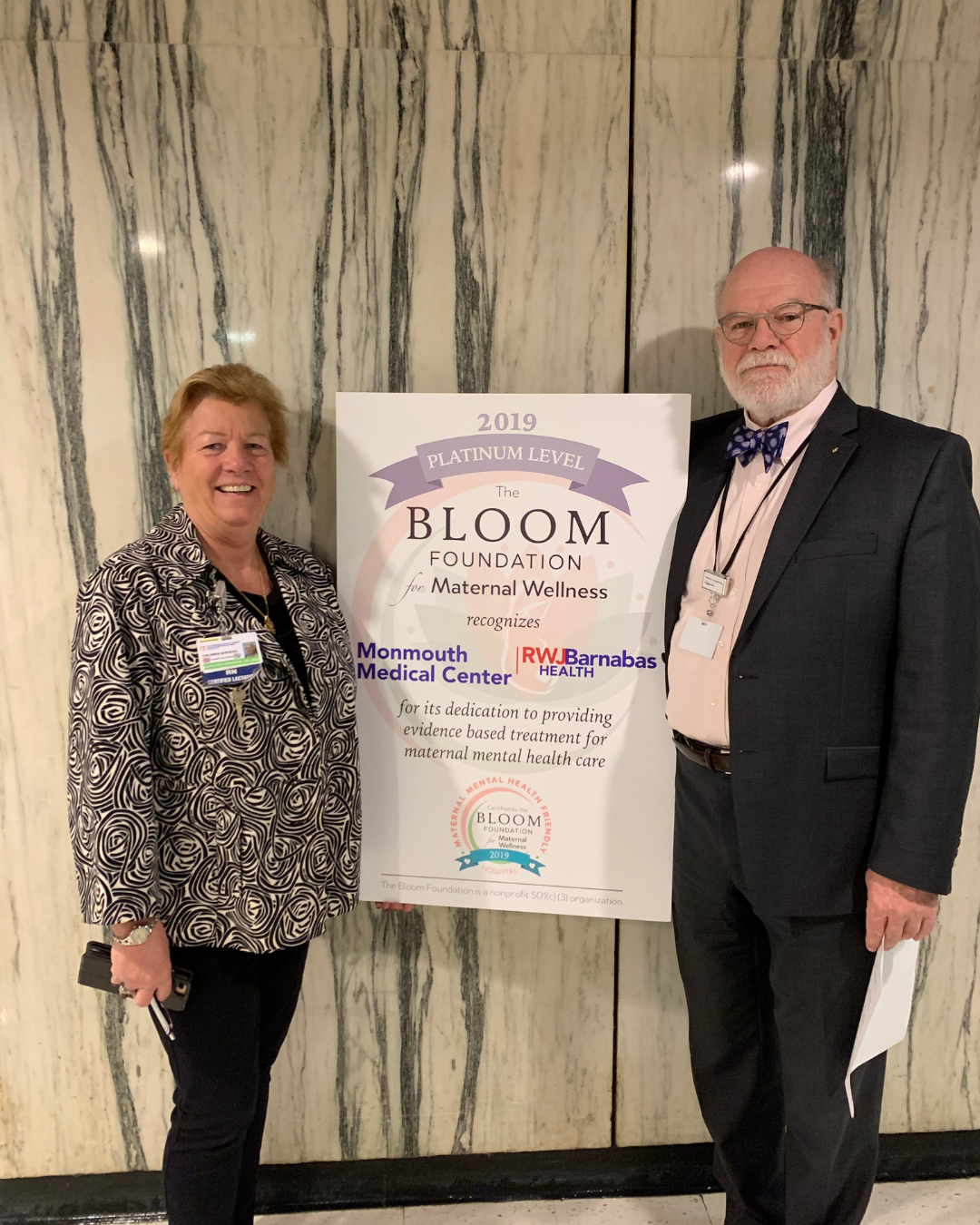
Designed and directed from the ground up: integrated therapy, medication management, peer support, group programming, and a defined escalation pathway. It remains the only designated intensive outpatient perinatal psychiatric program in New Jersey, and one of roughly eleven in the United States.
Open since 2017 · roughly 340 patients a month · 18 staffYou may have heard Lisa Tremayne, RN, on a podcast. This is the work behind the interviews: how Bloom started, what she built in New Jersey, and what you get when you build a program with us.
Nearly an hour on perinatal mental health: what these illnesses look like, why they are missed, and the kind of dedicated care Lisa built in New Jersey and now helps health systems build through Bloom.
These are different conditions with different symptoms, different timelines, and different levels of urgency, and they get collapsed into one word constantly.
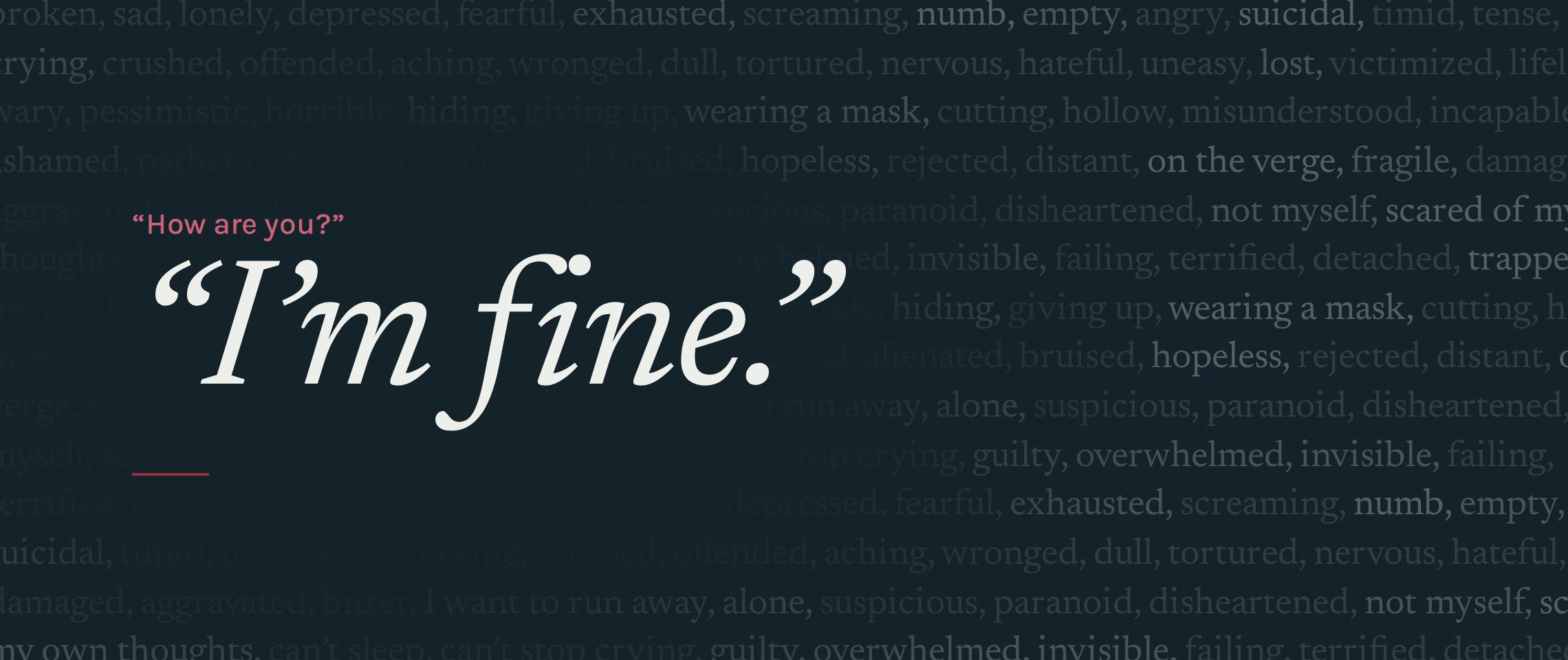
It is the most common complication of childbirth — more common than gestational diabetes or preeclampsia — and it is the one least likely to be screened for consistently.
A different and far rarer condition than postpartum depression. Onset is usually sudden and within the first weeks after birth. It can involve confusion, agitation, sleeplessness, and beliefs or perceptions that are not real, and it can fluctuate hour to hour. It is a psychiatric emergency and it is treatable.
Stigma is part of it. So is a system where the person most likely to notice — a nurse, a pediatrician, a lactation consultant, a family member — was never taught what to look for or what to do next.
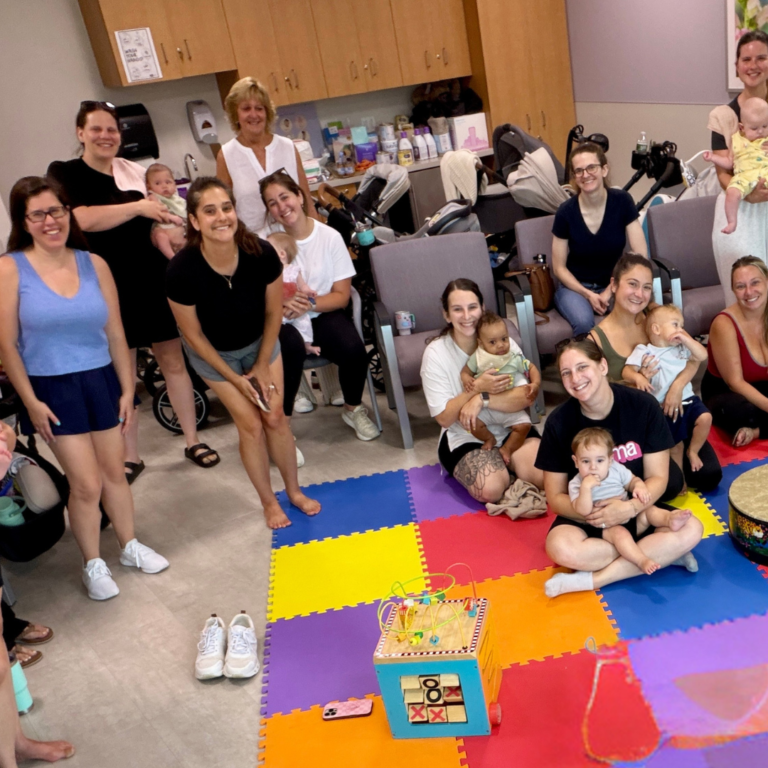
Screening without somewhere to send women is just paperwork. Here's what needs to change, what Bloom is doing about it, and where to find…
Mental health conditions, including suicide and overdose, are the leading cause of pregnancy-related death in the US. The CDC finds most of these deaths…
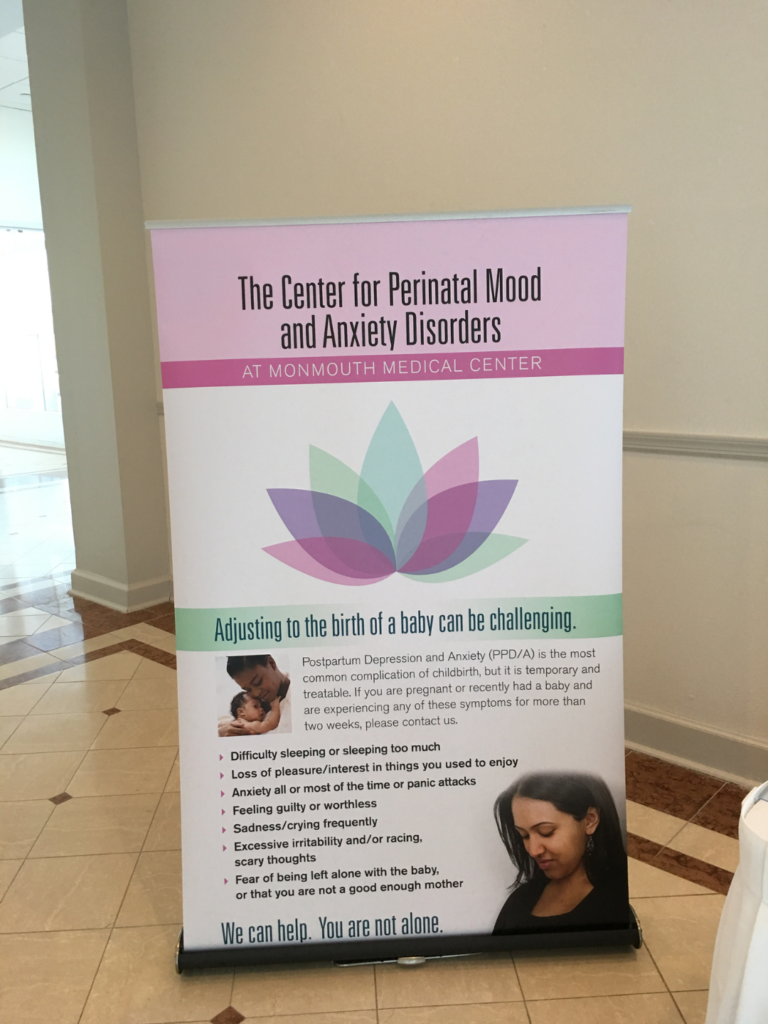
Many countries admit mothers and babies together for psychiatric care. The first US unit for pregnant and postpartum women opened in 2011, and most…
Everything starts with an email. Program inquiries get a reply within a day to set up your free 30-minute call. Media requests are answered the same day; say what you need and by when.
[email protected]