Skip to content

The Bloom Program Build

We build the thing that happens after the screen comes back positive.

Screening is the easy part, and most organizations already do some version of it. What is usually missing is everything downstream: what a score actually triggers, who is responsible, where a deteriorating patient goes, and what gets counted.

Where programs fail

Almost never for lack of good intentions. They fail because nobody wrote down what happens at a score of 18. Because after-hours coverage is one clinician’s personal phone. Because the marketing went live before the escalation pathway existed, and the program attracted acuity it could not hold.

We work in a fixed order for that reason. Escalation before marketing, always.

How we build it

The seven stages, in the order they have to happen.

We don’t hand a program design over in the order it reads easiest. We hand it over in the order it has to be built, so nothing goes live before the piece underneath it exists.

01

Foundation

Every later decision — branding, referral partnerships, what the escalation plan has to cover — depends on knowing exactly who the program serves, and who it doesn’t. This is where we start, always.

You get: Written population & exclusion policy, referral partner list, brand and positioning direction.
02

Safety plan

Escalation before marketing, always. A program does not take its first call until there is a written answer for what happens when that call goes badly.

You get: Escalation decision tree and a named, reachable on-call model.
03

Space & front line

Reception is often a patient’s first data point about whether this place is safe for her. The physical space and who staffs the front of it get built alongside the safety plan, not after it.

You get: Environment and décor direction, front-line hiring brief.
04

Opening the doors

The first stage that touches real patients — which is exactly why it waits until Foundation and Safety are settled. This is screening, instruments, and the actual booking workflow.

You get: Screening protocol, instrument set, intake workflow.
05

Clinical pathway

Once intake is producing scores, they have to route somewhere specific. This stage is the levels of care and what moves a patient between them.

You get: Tiered treatment pathway, intake through discharge.
06

Staying in touch

A stable patient and one whose medication just changed need different follow-up. This stage sets the cadence and who owns each check-in.

You get: Follow-up schedule and staff pairing model.
07

Running it day to day

Huddles, group sizing, discharge timing — the tuning decisions that only make sense once real patients are moving through the program. This is also the stage we come back to on Sustain engagements.

You get: Daily operations structure: huddles, group model, discharge process.
Which tier gets which stages

Recognize includes a simplified version of stages one and two — you are not treating this population yourself, you only need to know where to send someone. Respond covers stages one, two, four, five and six. Build includes all seven. Sustain comes back to stage seven, and any stage an annual audit flags as slipping.

Training providers to recognize perinatal mood and anxiety disorders.
What we do

Four ways to work with Bloom.

Every engagement starts with a conversation about what you are actually trying to build and what you have to spend.

For OB, pediatric, midwifery and doula practices

Recognize

You will never treat these patients, and you do not need to. You need to screen correctly, understand what you are looking at, and know exactly where to send someone. This is the starting point for most practices.

  • Screening protocol with written thresholds and an action at each one
  • Escalation card — what to do when a score comes back high
  • Staff training session on recognizing perinatal mood and anxiety disorders
  • Referral pathway built around what actually exists near you

Fixed fee. Scoped on the first call.

Talk to us →
For practices with therapy or prescribing

Respond

You can already treat this population. What is usually missing is the structure around it: what happens at a score of 14 versus 22, who takes the call at midnight, and what gets measured.

  • Clinical pathway from intake through discharge
  • Risk and escalation protocol, including psychosis and infant-harm ideation
  • After-hours coverage model that is not one person’s mobile number
  • Provider training and a route to perinatal certification
  • Follow-up schedule through the first postpartum year
  • The measurement set, from day one

Fixed fee, deliverable-based. Typically eight to ten weeks.

Talk to us →
For health systems and dedicated centers

Build

A service line, not a service. This is the work of standing up a perinatal mental health center inside an existing system — the version Lisa has already done, and the reimbursement questions that stall most programs before they open.

  • Everything in Respond
  • Staffing model and service line design
  • Payer mapping — what bills, what does not, and what needs philanthropy
  • Peer support build and facilitator training
  • Referral engine: hospitals, OB practices, pediatrics, community
  • Launch plan and outcome reporting

Phased. Discovery is priced separately and comes first.

Talk to us →
For programs already built

Sustain

A program that is never looked at again drifts. We come back, work through the same checklist you were given at the start, and tell you the truth about what is holding and what is not.

  • One to two days on site, against a published checklist
  • Written audit report and remediation list
  • Refresher training for staff hired since launch
  • Support on grant applications and outcome reporting
  • Annual renewal

Annual. Day rate plus travel.

Talk to us →
Track record

Programs we have built.

Not talks given. Programs that opened, took patients, and are still running.

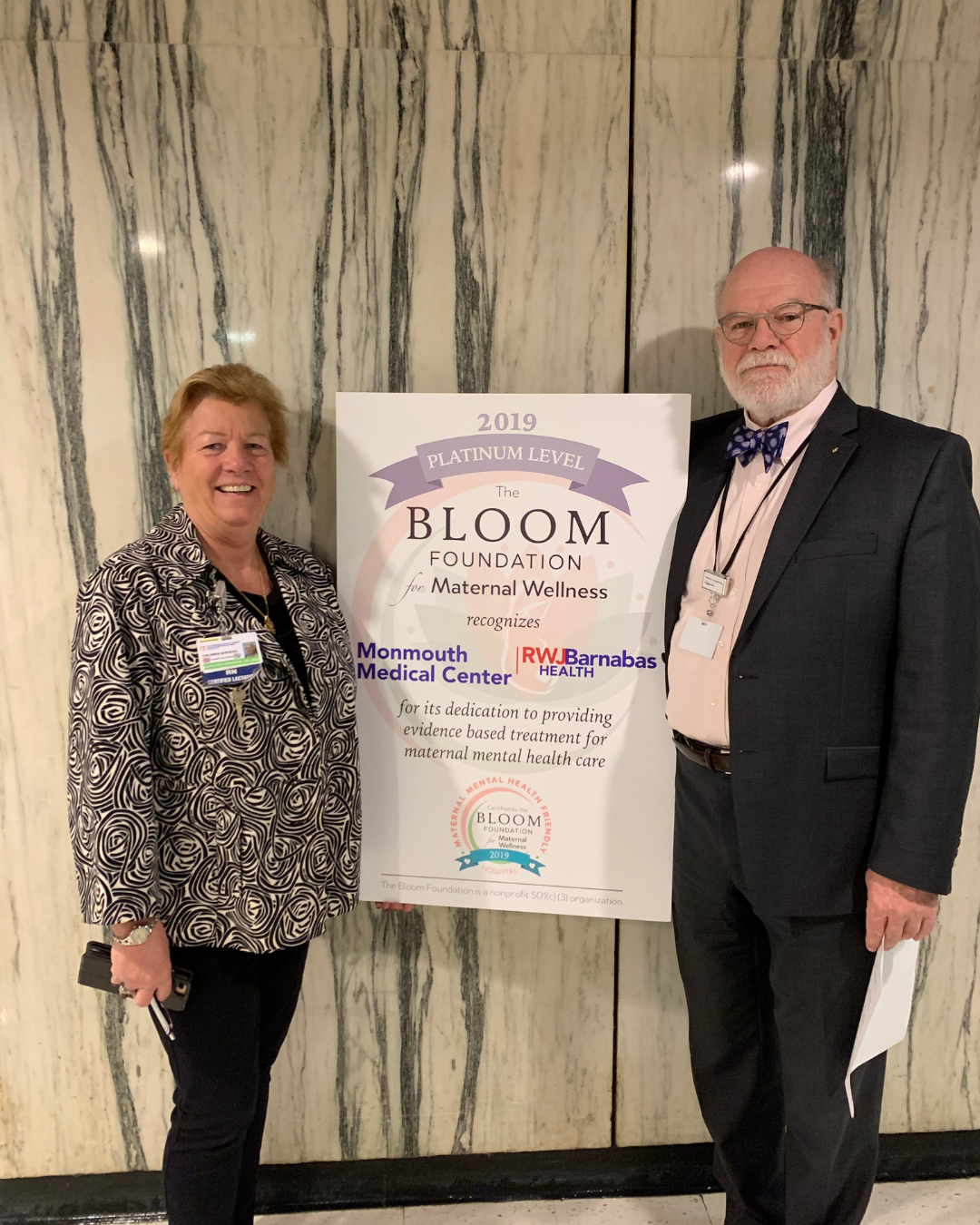
Monmouth Medical Center RWJBarnabas Health · Long Branch, New Jersey
Monmouth Medical Center receiving its Bloom certification.

New Jersey’s first Center for Perinatal Mood and Anxiety Disorders

Designed and directed from the ground up: integrated therapy, medication management, peer support, group programming, and a defined escalation pathway. It remains the only designated intensive outpatient perinatal psychiatric program in New Jersey, and one of roughly eleven in the United States.

Open since 2017 · roughly 340 patients a month · 18 staff
RWJBarnabas Health Livingston, New Jersey · 2025

A second Center for Perinatal Mood and Anxiety Disorders

A new center opened in 2025 on the same model, inside the RWJBarnabas Health system: three group rooms, three clinical offices, and a staff of nine. It is still ramping up, and already sees about 112 women a month.

Opened 2025 · about 112 women a month and growing · 9 staff
State of New Jersey Statewide · 2005

The first universal perinatal screening program in the country

Co-developed the screening program for prenatal and postpartum depression that New Jersey adopted statewide — the first of its kind in the nation, and the template a number of other states worked from.

Adopted statewide · first in the nation
Center outcomes Internal quality improvement data

What the model produced

Mean Edinburgh Postnatal Depression Scale scores fell from 17.03 at intake to 9.15 after one month of services — from the range requiring attention to low-moderate risk. Monthly visits grew from 39 in the opening month to over 300 within two years, and the program moved from a first-year operating loss to a contribution margin of roughly $48,000 in year two.

Clinically effective and financially sustainable
Maternal Mental Health Coalition Washington, D.C. · 2015

Federal appropriations for perinatal mental health

Led the New Jersey lobbying effort on behalf of the national coalition working to bring postpartum depression out of the shadows, in support of federal appropriations for screening and treatment resources.

$5 million appropriated for PMAD screening and resources
Inside the work

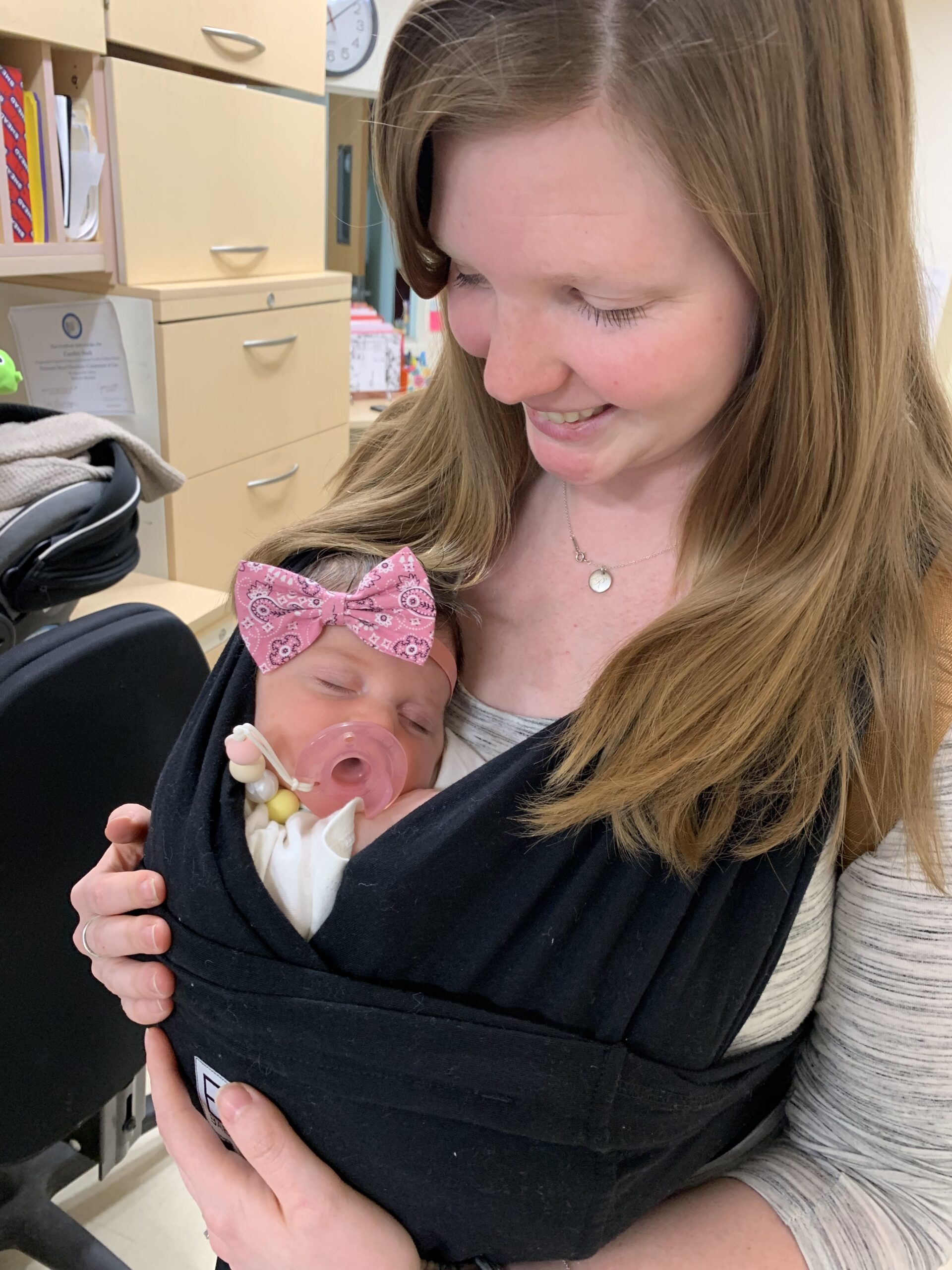
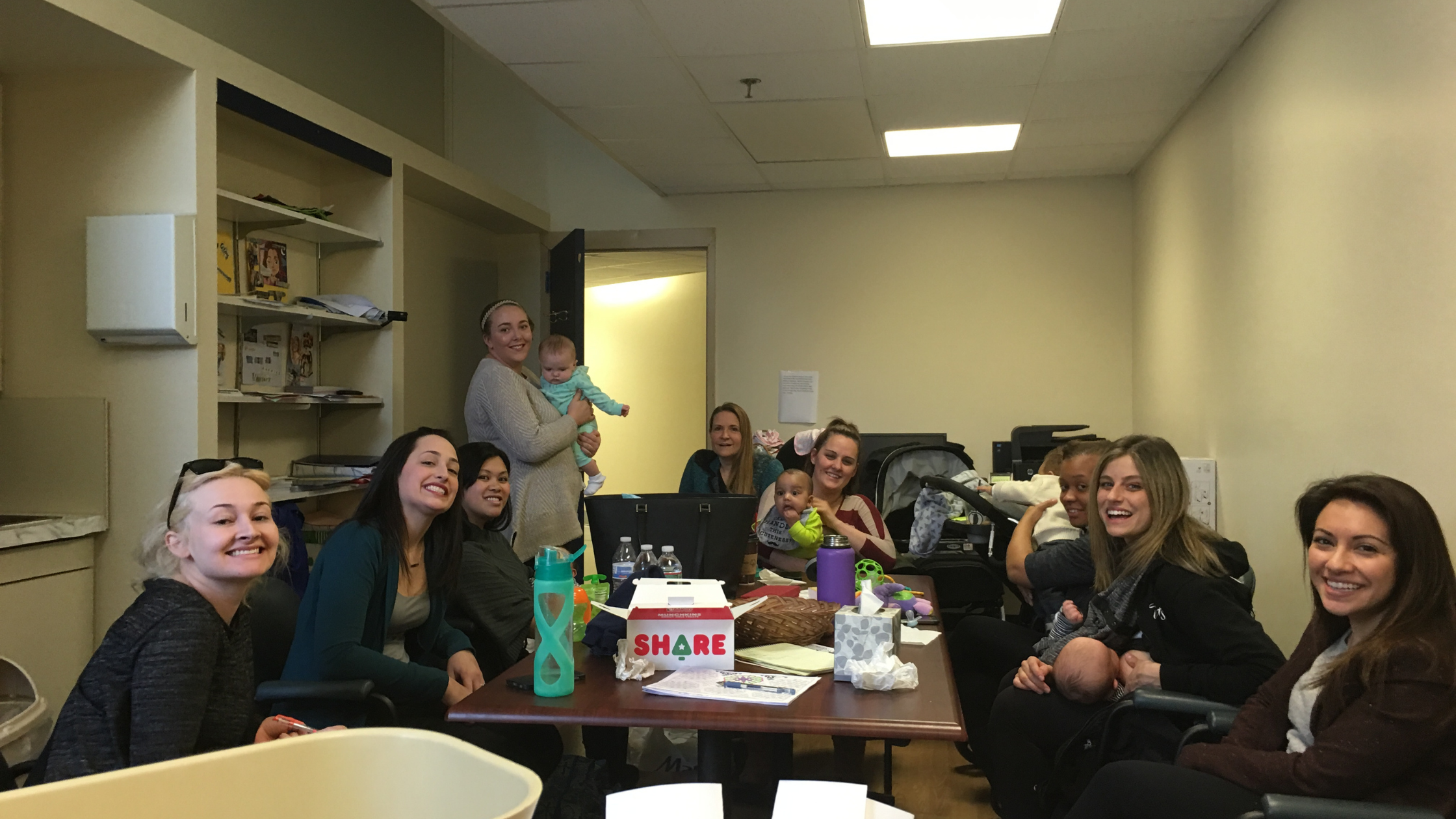
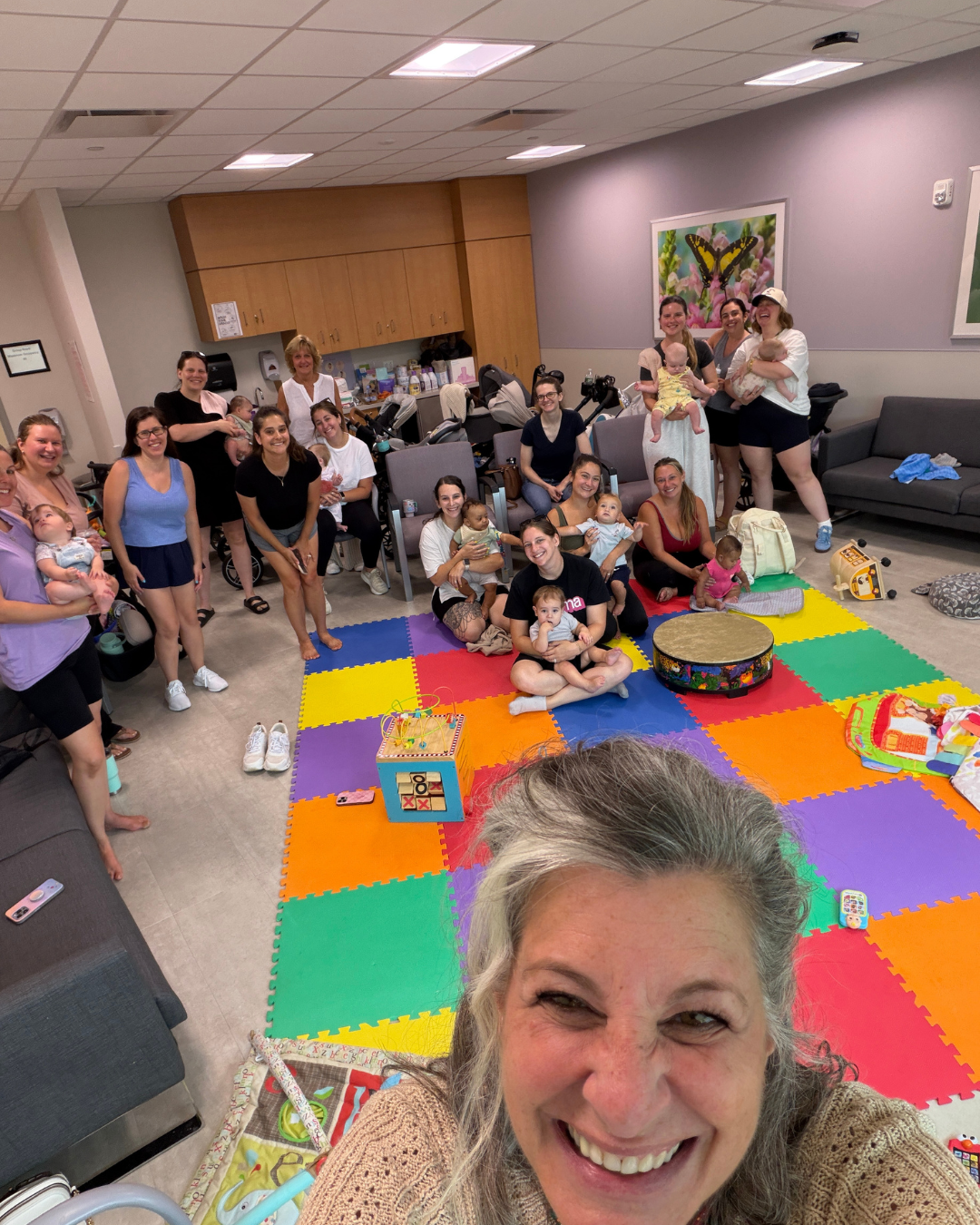
Support groups, sessions, and the Center in its early days.

How an engagement runs

A 30-minute call at no cost, to work out which of the four above fits. Then a paid discovery: we look at what you actually do today, walk the patient journey end to end, and write down what exists, what is missing, and what is risky. Discovery can conclude that Bloom is not the right help — that has to be a real possible outcome or the findings are worth nothing.

From there you get a roadmap: what gets built, in what order, by whom, by when, and what it costs you. It arrives with the protocols, templates and training materials, not just a document telling you to go make them.

You also get a private portal that tracks it live. The full seven-stage roadmap is visible from day one, and each stage unlocks there the moment it is actually ready for you to open — not on a fixed schedule, and not as a document you have to go chasing down.

Next step

Start with a call.

Tell us what you are trying to build and what you have to spend. Thirty minutes, no cost, no proposal on the call.

Email Shannon
Contact

Start your Program Build, book Lisa, or ask a question.

Everything starts with an email. Program inquiries get a reply within a day to set up your free 30-minute call. Media requests are answered the same day; say what you need and by when.

inquiries@villagefound.com
Eatontown, New Jersey