
California’s SB 626 Makes Perinatal Mental Health Follow-Through the Law. Is Your Program Ready?
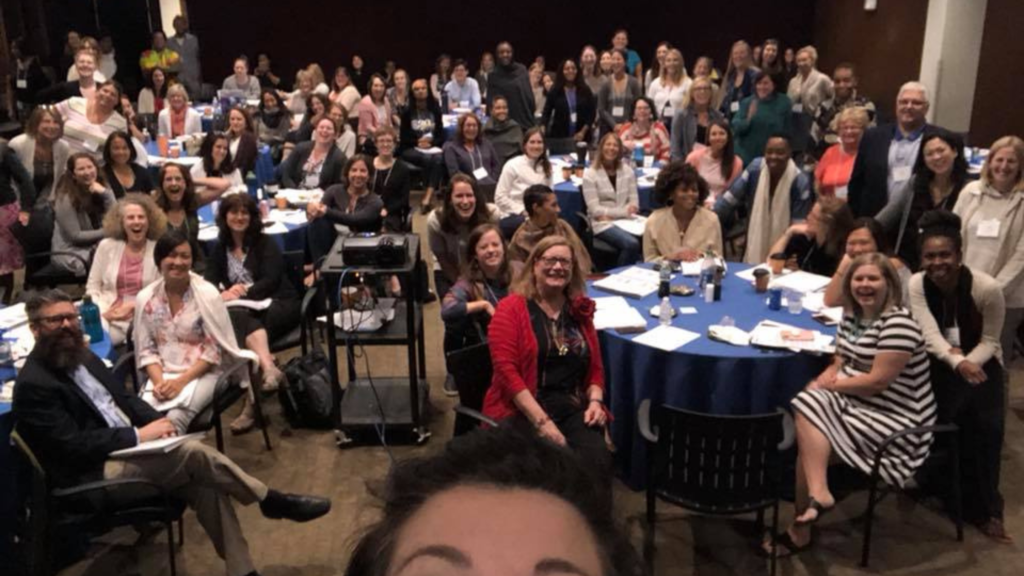
On September 30, Governor Newsom signed SB 626 by Senator Lola Smallwood-Cuevas, covering perinatal health screenings and treatment. Senator Sabrina Cervantes was the principal co-author. The bill came out of years of advocacy from survivors, clinicians, and community groups.
For anyone who delivers prenatal or postpartum care in California, the important word is not screening. It’s treatment.
What SB 626 changes
California has required maternal mental health screening for years. What SB 626 adds is accountability for what happens after the screen. Maternal mental health programs must now include screening during pregnancy and at least one more screening in the postpartum period. When a patient screens positive, the practitioner has to make sure she gets a clinical evaluation, and then either offer treatment within their scope of practice or refer her to a qualified specialist.
The law also reaches the payers. Health plans and insurers, including Medi-Cal managed care plans, must maintain structured maternal mental health programs. Those programs have to include the required screenings, encourage FDA-approved outpatient medications, and provide case management or care coordination, such as appointment scheduling and behavioral health navigation, for patients who screen positive.
In short, a positive score can no longer end with a handout and a phone number.
Why this matters beyond California
This is a big population. The state’s own figures say perinatal mental health conditions affect one in three California women. California also tends to set the pattern that other states follow. If you run an OB practice, a women’s health service line, or a health system anywhere in the country, a law like this is likely heading your way.
Screening is the easy part
We’ve seen this before. In 2005, Bloom co-founder Lisa Tremayne, RN, PMH-C, helped develop New Jersey’s universal screening program for prenatal and postpartum depression, the first in the nation. What New Jersey learned is what California practices are about to learn: once you start screening everyone, you find far more women who need care than you have places to send them.
The hard part is everything after the score.
Who evaluates her, and how soon?
Which level of care does she need?
Who calls her the next day?
What does staff do when a patient in treatment suddenly gets worse?
Most practices don’t have written answers to those questions.
SB 626 now makes them a requirement.
This can be done well, and it can pay for itself
Lisa went on to create and direct New Jersey’s first Center for Perinatal Mood and Anxiety Disorders. At that center, patients’ average Edinburgh Postnatal Depression Scale scores fell from 17.03 at intake to 9.15 after one month of care. Monthly visits grew from 39 in the first month to more than 300 within two years. The program went from a first-year operating loss to a contribution margin of about $48,000 in year two.
That’s the point SB 626 makes easy to miss: building the full pathway is a compliance requirement, but it’s also a service line that can sustain itself.
How Bloom helps
The Bloom Program Build is a seven-stage implementation framework taken directly from that center. It covers screening and intake workflows, levels of care, escalation protocols, follow-up schedules, staff training, and launch. Our team guides your organization through each stage, so you get a working program, not a binder.
If SB 626 just moved perinatal mental health up your list, start a conversation with us.