
A Floating Head on a Screen: Why Telehealth Alone Isn’t Enough for PMADs
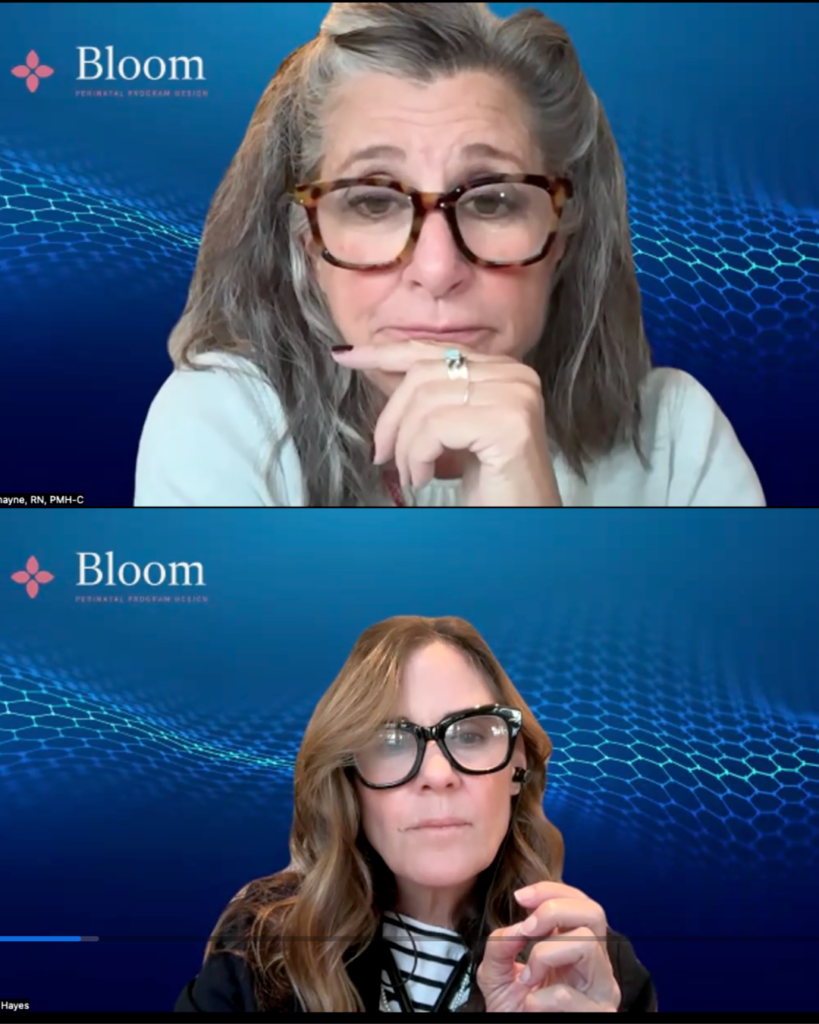
When women call our center and find out we see patients in person, some of them hang up. They want video. They have a newborn, no sleep, maybe no car. Getting out the door feels impossible.
I understand that. And I still say no.
Not because telehealth is bad. It has helped a lot of people get care they couldn’t otherwise reach. But for a mother with a perinatal mood or anxiety disorder (PMAD), a screen alone can’t give her what she needs, and it can hide what she can’t say out loud.
What a screen doesn’t show
On video, you see a floating head. In the room, you see the whole person.
Is she dressed, or in pajama bottoms and a robe at two in the afternoon? Where is the baby? Is he even in the room? Are her cuticles picked raw? Is her foot going back and forth the whole time? Are her eyes moving up and down, never settling?
Those things tell me more than any form she filled out. When I see them, I can say, “I can see you’re really struggling right now. Can you tell me more about that? Would you say the word is anxious?” That’s a skill built over years, and it only works when you’re sitting across from her.
Clinicians call this congruence: does what she’s telling you match how she looks and acts? On video, it’s much easier to hold it together for an hour. To act. To mask. New moms are very good at masking. Everyone has told them this is the happiest time of their lives.
It cuts both ways
Being in the room doesn’t only catch what’s hidden. It also keeps us from overreacting.
A mom might check “yes” next to thoughts of harming herself on a screening form. In person, it can become clear that what she’s really describing is total exhaustion and no help at home. That’s still serious, but it’s a very different plan. Culture, fear, and the shock of feeling this bad for the first time all shape how a woman answers a form. A score is a starting point. The judgment about what it means is made in person.
And the opposite happens too. I’ve seen what can go wrong when a mother is only ever seen over video and the physical signs of severe anxiety or worse never come through the screen. That’s why our first visit is always in person. No exceptions.
Getting out the door is part of getting better
There’s something else a screen can’t do. It can’t get her out of the house.
Coming in means she showers, gets the baby in the car seat, and drives somewhere. It means she sits in a group with other mothers in the same season of life, holding their babies, and hears someone say the exact thought she’s been afraid to say. It means a nurse she knows by name is at the front desk when she walks in.
That isolation is part of the illness. Treating it from her couch, alone, can keep her right where she is.
What we learned from COVID
During COVID, everything went virtual, ours included. A lot of patients wanted to stay that way after, and honestly, so did some therapists. You can see more people in less time on a screen.
Bringing visits back in person was a fight. It was the right fight. We saw the difference.
When video does make sense
We still use telehealth, rarely and on purpose. A mom so anxious behind the wheel that driving isn’t safe. A pregnant patient on hospital bed rest. A family with one car and a partner who had to go back to work. A long-time patient who’s doing well, just went back to teaching, and only has a 45-minute lunch.
That last one is my favorite kind of exception. When a woman who’s been coming in every week asks for a video visit because her schedule is full again, it often means she’s almost ready to graduate. Her life is coming back.
What telehealth is never for is a crisis. A mother in crisis needs to be seen in person, or go to the hospital.
Convenient isn’t the same as enough
Telehealth is one tool. A good one, used in the right moments. But a new mother with a PMAD deserves to be seen, really seen, by a team that knows her.
That’s how we’ve built our center, and it’s how [Bloom] helps other hospitals and practices build theirs. [Learn how the program works.]
If you’re a mom reading this: what you’re feeling is common, and it’s treatable. Good moms get this, and good moms call for help. The National Maternal Mental Health Hotline is free, confidential, and open 24/7: call or text 1-833-TLC-MAMA (1-833-852-6262). Postpartum Support International’s helpline is 1-800-944-4773.